
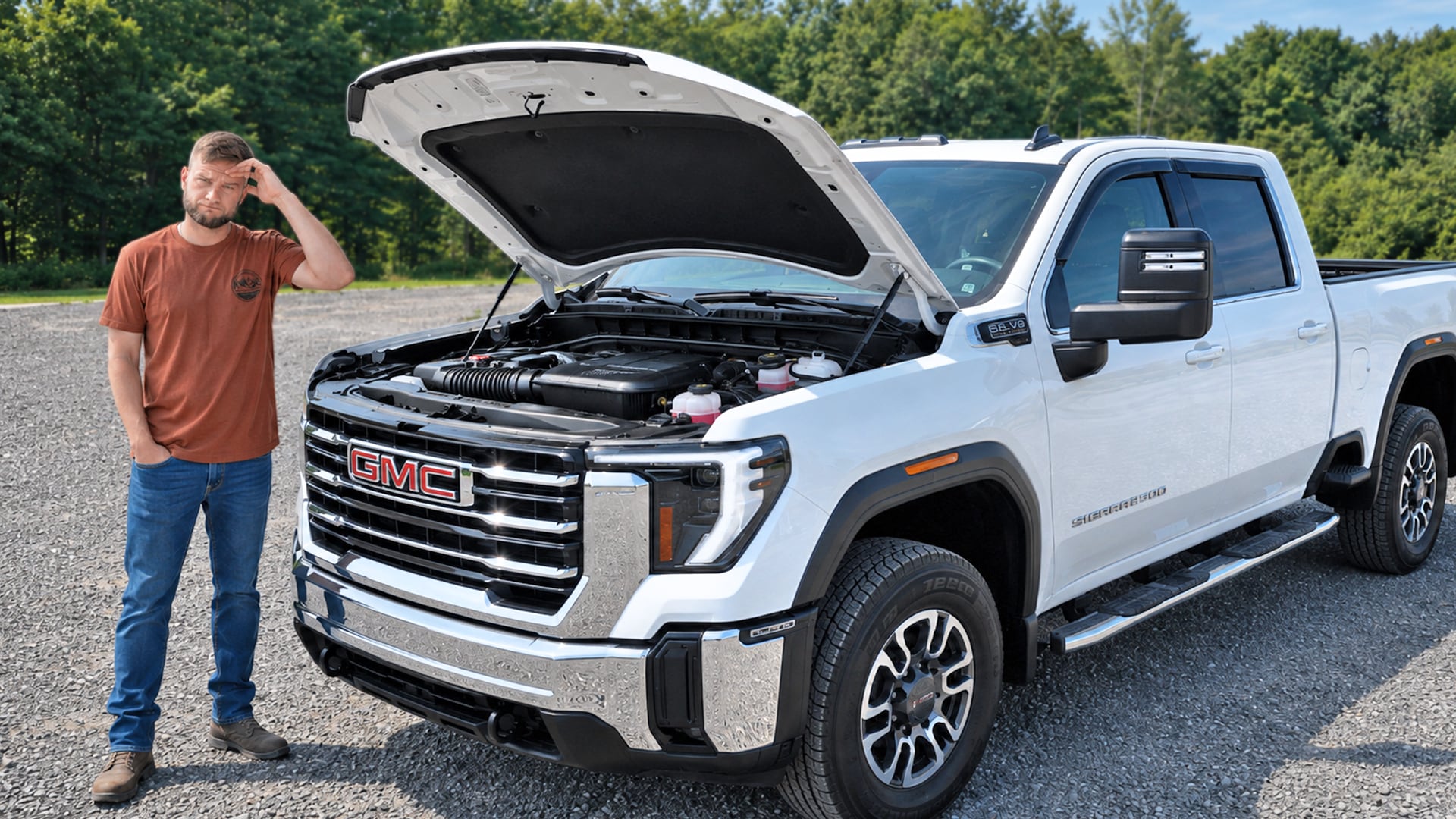
 The GM 6.6L V8 Engine: 5 Pros and 5 Cons for Heavy Duty Truck Owners
For truck owners hauling equipment down Oregon Pike or navigating job sites around Ephrata, PA, the GM 6.6L V8 gas engine offers a tested big block solution.
5 Reasons to Love the GM 6.6L V8
Cost and Capability
Choosing this engine saves you anywhere from ten thousand to twelve thousand dollars compared to the Duramax diesel option. Despite the savings, it can pull over 18,500 pounds conventional and over 22,000 pounds with a gooseneck, giving you massive capacity on a budget.
Heavy Duty Construction
GM built this engine with a forged steel crankshaft, forged connecting rods, and a deep skirt cast iron block. Unlike smaller gas engines that use cheaper cast parts for internal components, this block is engineered to take a beating under extreme loads and run for hundreds of thousands of miles.
Performance DNA
This engine utilizes GenV small block architecture, sharing a family lineage with the Corvette. It features a 4.06 inch bore and 3.86 inch stroke to create 401 cubic inches of displacement, making it the largest gas V8 that GM produces for their commercial and heavy duty lines.
Maintenance Simplicity
With a push rod design, two valves per cylinder, and direct injection, it runs smoothly on 87 regular fuel without the need for turbos or variable cam timing. You completely avoid diesel exhaust fluid, regens, and complicated emissions systems, making cold starts and long term maintenance incredibly simple.
Upgraded Transmission
Models from 2020 and newer pair this engine with a responsive 10 speed transmission built through a GM and Ford collaboration. While it carries the Allison brand name for marketing, this 10 speed setup significantly wakes up the power delivery compared to the older six speed models.
5 Reasons to Rethink the GM 6.6L V8
Fuel Consumption
Fuel efficiency is not a priority for this heavy duty build. Expect around 15 miles per gallon when driving empty and a sharp drop to 7 to 10 miles per gallon when towing heavy trailers around Lancaster County.
Lower Torque Output
You receive 464 pound feet of torque, which is roughly half of the 975 pound feet generated by the Duramax diesel. Peak torque does not arrive until 4,000 RPM, meaning the engine can feel sluggish if you are accustomed to the instant pulling power of a turbo diesel.
Lack of Exhaust Braking
Gas engines do not feature the exhaust brake systems found on modern diesels. When carrying maximum payloads down steep grades, you only have natural engine braking, which means you will put much more wear on your truck brakes over time.
Long Term Resale Value
Gas engine trucks historically depreciate faster than their diesel counterparts. Even with fluctuating fuel prices making gas look appealing in the short term, a diesel heavy duty truck will retain a significantly higher percentage of its value after five to ten years of ownership.
Limits on Extreme Towing
While it is a bulletproof work truck engine for local short trips, it falls short for cross country runs pulling heavy fifth wheels through the mountains. For maximum safety and performance under continuous heavy strain, upgrading to the Duramax diesel is usually the inevitable choice.
Check out the full breakdown in this video: https://www.youtube.com/watch?v=PieuchXZgrE