
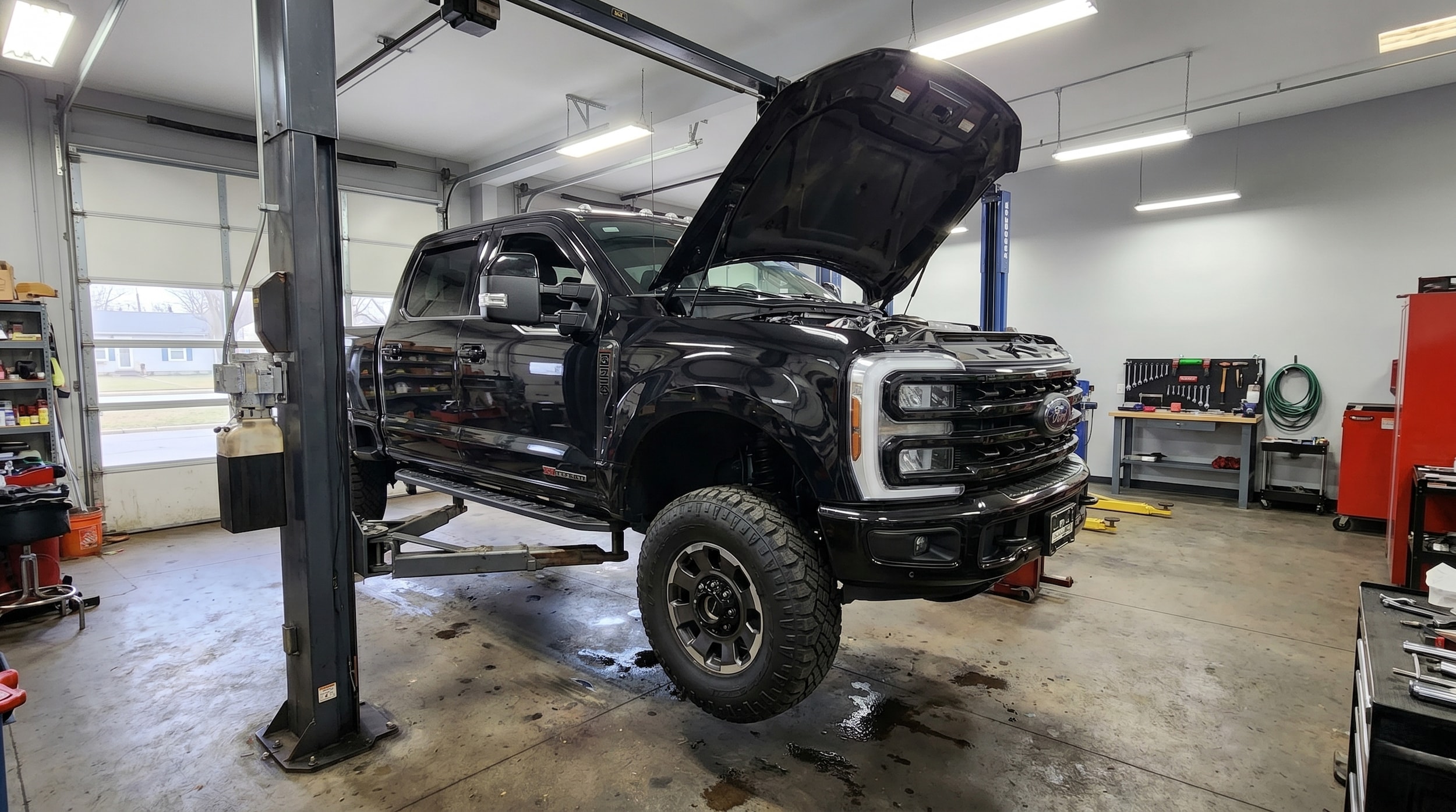
 If you have been looking at the new Ford Super Duty trucks lately, you know that the high output powerstroke diesel is the big talk of the town. Being right here in Lancaster County, we see these trucks everywhere from the job sites in Ephrata to the campgrounds out toward Gap. This engine is an absolute beast, but it is not necessarily the perfect fit for every single driver.
I spent some time with this monster of a motor to figure out where it shines and where it might give you some headaches. Whether you are hauling a massive fifth wheel or just want the baddest truck on the road, here is the breakdown of what makes this engine incredible and what makes it a bit of a gamble.
What Makes the High Output Powerstroke a Total Beast
There is a reason Ford fans are losing their minds over this setup. It is not just about the numbers on a spec sheet; it is about how those numbers feel when you actually put your foot down on the pedal.
Ridiculous Power That Crushes the Competition
First off, let's talk about the raw stats. We are looking at 500 horsepower and 1,200 lb-ft of torque. That is an insane amount of power. To put that in perspective, GM is sitting at 975 lb-ft and Ram’s high output is around 1,070 lb-ft. Ford is officially the king of the mountain right now. When you are pulling a heavy load up a steep grade, that extra torque makes a massive difference. It just feels like nothing can stop it.
It Actually Feels Fast to Drive
Normally, when you get into a heavy duty diesel truck, you expect some turbo lag. You step on it, wait a second for things to spool up, and then you move. This truck does not feel like a typical workhorse. It actually feels fast. You do not have to be towing something to enjoy driving it; it is just a fun truck to have as a daily driver. You get instant gratification when you hit the gas, which is rare for a truck this size.
Smart Engine Layout and Turbo Design
Ford did something really clever with the engine design here. On most engines, the exhaust routes out the sides. On the high output powerstroke, they routed it through the middle. They mounted the turbo right in the valley between the cylinder heads. This means the exhaust goes directly into the turbo, causing it to spool up much faster. That is exactly why there is basically zero turbo lag. It is a super efficient design that makes the engine incredibly responsive.
Engineering That Built to Last
Ford did not just crank up the boost and hope for the best. They actually changed the physical makeup of the engine to handle the extra stress.
Industrial Grade Engine Block
Since this engine puts out so much pressure, Ford used a compacted graphite iron block. It is not your traditional cast iron or aluminum. This is industrial grade stuff. It shows that they were not looking to cut corners just to hit high horsepower numbers. They wanted a true heavy duty foundation that could handle the 1,200 lb-ft of torque without shaking itself apart.
The 10-Speed Transmission Pairing
The 10-speed transmission in this truck is a perfect match for the high output motor. In some of the F-150s, you might feel the 10-speed hunting for gears or shifting constantly, but in this Super Duty, it is seamless. It gives you instant power when you need it and works beautifully with the exhaust brake to slow you down when you are coming down a hill with a trailer.
The Reality Check: 5 Things I Dont Love
As much as I love the power, there are some trade-offs you need to be aware of before you sign the paperwork. These are the things that might make you think twice depending on how you use your truck.
It Drinks Diesel Exhaust Fluid
This engine has a serious thirst for DEF. When you are putting out this much power and torque, you are burning more fuel, and that means you are using more DEF to keep things clean. I have towed a camper with this thing and was getting the DEF warning way sooner than I expected—sometimes every thousand miles or so. If you are doing a lot of heavy hauling around PA, keep a few jugs of DEF in the garage because you are going to need them.
Heat and Complexity Issues
All that power and the compact turbo design create a massive amount of heat. Managing that heat requires a very complex cooling system. As an SEO guy and a truck enthusiast, I always think about the long term. The more complex a system is, the more things there are to break once you hit 100,000 or 150,000 miles. Managing that heat is a feat of engineering, but it adds a layer of potential repair costs down the road.
A Very Tight Engine Bay
If you are the type of person who likes to spend Saturday mornings working on your own truck, good luck with this one. The engine bay is absolutely jammed. It is a tight fit, and even the professional techs at the Ford dealerships probably have a hard time reaching certain parts without removing five other things first. If I owned this truck, I would definitely invest in a solid warranty because I am not touching that engine myself.
Maintenance and Usability Concerns
This is not the kind of truck you can be lazy with. It demands respect and a strict schedule if you want it to last.
Zero Forgiveness on Maintenance
This is not an old-school bulletproof diesel that you can abuse and ignore. This engine runs an extremely high fuel pressure—36,000 PSI to be exact. If you use poor quality fuel or skip an oil change, it is going to feel it. To get the longevity out of this motor, you have to be meticulous with your maintenance. It is a high-performance machine, and it needs to be treated like one.
It Is Absolute Overkill for Most People
At the end of the day, 1,200 lb-ft of torque is absolute overkill for the average driver. Unless you are running a commercial business or pulling a 40-foot fifth wheel every weekend, you probably do not need this much power. You are paying a premium for the engine, higher maintenance costs, and higher fuel costs for power you might never actually use. It is cool to say you have it, but for a lot of folks, the standard powerstroke is more than enough.
Check Out the Full Video Review Below
If you want to see this truck in action and hear that engine for yourself, check out the full review on YouTube.