
We see it all the time: customers excited to save thousands by buying a used pickup truck over a new one. And the savings are real—it is the biggest reason to buy used.
However, many buyers rush into a purchase based on a low price tag without understanding the hidden factors that determine true value. You might think you're getting a better deal, but are you really comparing apples to apples?
Before you buy your next used truck, you need to know these five critical things to ensure your savings don't turn into expensive headaches down the road.
1. Understand the True MSRP Savings (Inflation Matters)
When looking at used trucks, the first question you should ask is: "What was this truck’s original Manufacturer's Suggested Retail Price (MSRP)?"
Don't just look at the used price versus a brand-new 2025 model's price. Look at what that specific truck cost when it was new in its model year.
For example, a 2022 GMC Sierra AT4 might have had an MSRP of $70,000 back in 2022. Due to inflation, rising labor costs, and material costs, the MSRP on that exact same truck in 2025 might be $5,000 higher.
To see your true savings, look at current model year MSRPs and compare them to the original MSRP of the used truck you are considering. You’ll realize the value proposition is even stronger than you thought.
2. Know the Equipment, Not Just the Trim Title
This is where most people get themselves into trouble. Do not assume that two trucks with the same trim badge (like "Denali," "Lariat," or "Platinum") have the same equipment.
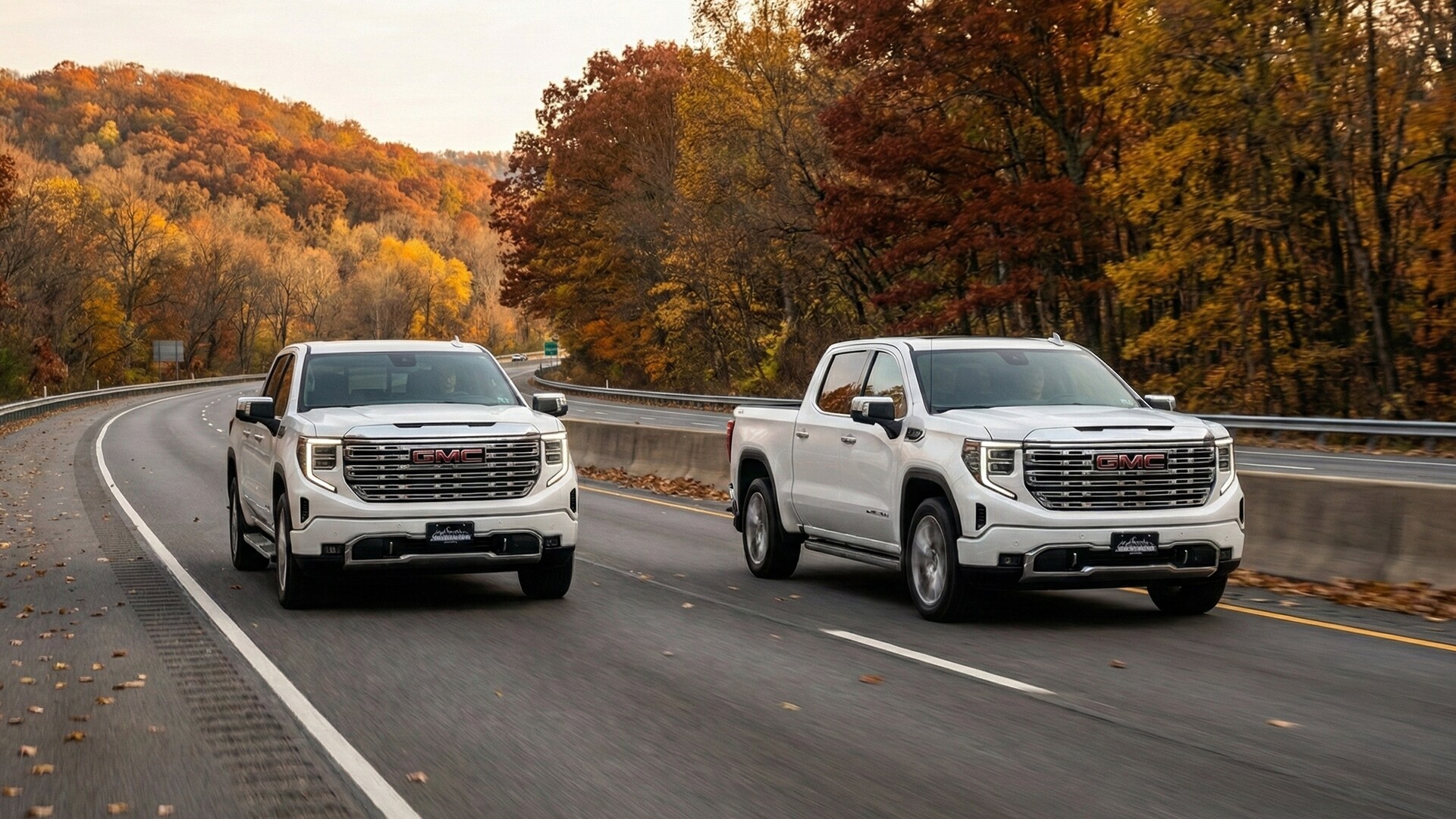
You can have two identical-looking 2024 GMC Sierra Denalis sitting side-by-side on a lot with nearly the same used sticker price. However, one might have the "Reserve Package"—originally a $5,000 upgrade—and the other might be a "base" Denali.
The Reserve package truck might include factory 22-inch wheels, power-retractable running boards, a guaranteed sunroof, adaptive cruise control, a rearview mirror camera, and a heads-up display. The other truck has basic wheels, fixed boards, and lacks the high-end tech.
If those two used trucks are priced within a few hundred dollars of each other, the one without the equipment is a terrible deal. Know the options packages available for the trim level you want so you don't overpay for a stripped-down version.
3. Define Your Non-Negotiables and Think About Resale
It makes sense to have a budget cap. But don't put yourself in such a tight box that you ignore value.
You need to know your non-negotiables—like 4WD or seating capacity—but also consider features that affect future value. You might think, "I don't need a sunroof or air-conditioned seats." That’s fine for a base work truck. But if you are buying a luxury trim like a Denali or Platinum, skipping those features is a mistake.
When it comes time to resell that luxury truck, nobody wants the one without a sunroof. It significantly narrows your market. Sometimes spending an extra $5,000 on a better-equipped used truck now will mean getting all that money back (and selling it faster) when you eventually trade it in.
4. Demand a Transparent Dealer Reconditioning Process
What are you actually getting from the dealer besides the truck? The hidden value—or hidden cost—lies in how the truck was serviced before it hit the lot.
Don't just buy the cheapest truck; buy the one you won't have to sink money into next month. Ask the dealer for their service protocol.
Your Used Truck Checklist Should Include:
-
Fresh Inspection: The state inspection sticker should be current, within a month or two of purchase. You shouldn't have to inspect a truck six months after buying it.
-
Fresh Oil Change & Fluids: Ensure the oil is changed and fluids like Diesel Exhaust Fluid (DEF) are topped off.
-
Brakes and Tires: This is huge. To do quality pads and rotors all the way around on a modern heavy-duty truck costs over $1,000. If you buy a truck that’s $2,000 cheaper but needs new brakes and tires immediately, you didn't save any money.
Always check dealer reviews—specifically the bad ones—to see how they handle customers when things go wrong after the sale.
5. Why You Need an Extended Service Agreement (Warranty)
Modern trucks are incredibly complex machines. There is a reason manufacturers typically only offer a 3-year/36,000-mile bumper-to-bumper warranty. They have done the math; they know that after that period, expensive technology starts to fail.
If you are keeping a modern truck past its factory warranty period, you need a quality extended service contract.
Don't cheap out here. A budget $1,000 warranty often has low payout caps (e.g., a $3,000 limit per claim) and excludes high-tech components.
The Cost of Modern Repairs:
-
LED Headlight Assembly: ~$2,000+ (requires dealer programming)
-
Infotainment Screen/Head Unit: Several thousand dollars
-
Engine Failure: $10,000 - $12,000+
Buy a comprehensive plan that covers navigation, heated/cooled seats, and advanced electronics. It’s risk management for your investment.
There is incredible value in the used truck market right now, but you have to do your research. Know your trims, check the service history, and protect your purchase.
For more in-depth truck insights and visual examples of these trim differences, watch the full video below: